
How do pests get into a roof?
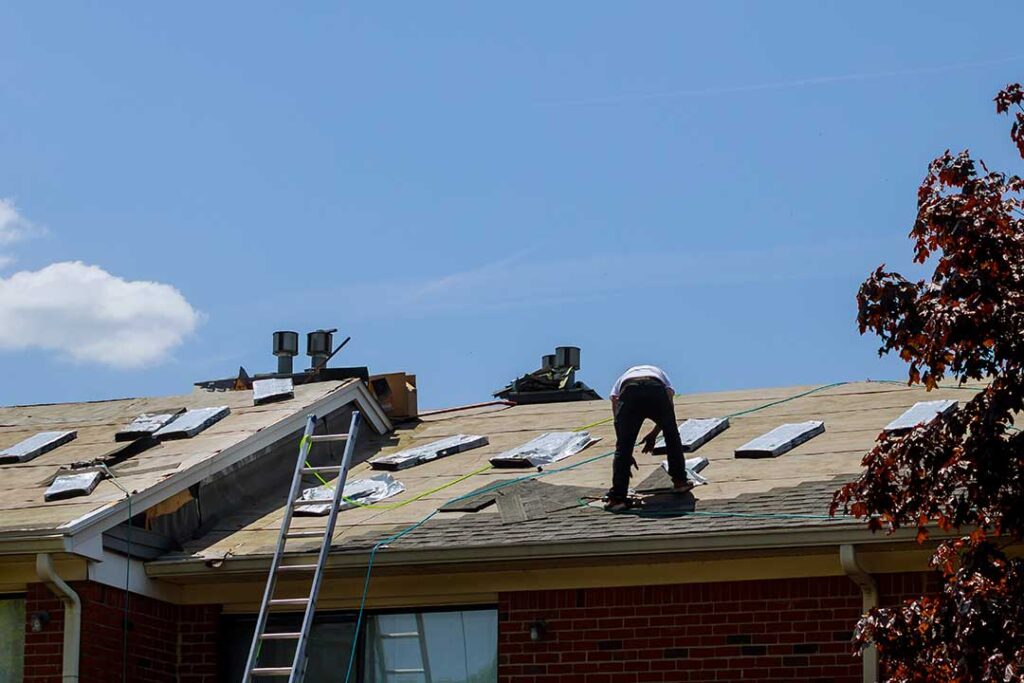
Pests usually enter a roof through small gaps where roofing materials, trim, vents, and exterior walls meet. A hole does not need to be large: mice can use openings about the width of a pencil, while bats, squirrels, birds, and insects may use damaged or poorly sealed areas around the roofline.
In Voorheesville, seasonal temperature changes, snow, wind, rain, and moisture can gradually loosen materials or widen existing gaps. Older homes may also have several roof additions, enclosed porches, dormers, chimneys, or attic vents that create more potential entry points.
Common routes include:
- Gaps beneath damaged or missing shingles
- Openings around plumbing vents and roof vents
- Loose soffits and fascia boards
- Uncovered or damaged gable vents
- Chimney flashing and masonry cracks
- Roof edges where branches or ice have caused damage
- Openings around skylights, dormers, and roof extensions
- Attic vents with broken or missing screens
- Spaces where utility lines or other penetrations enter the building
Pests often enter the roof system to reach a dry, protected attic rather than to live directly under the shingles. Once inside, they may build nests, store food, damage insulation, or create openings that allow additional animals to enter.
Which pests commonly enter roofs and attics?
Different pests use roofs in different ways. Squirrels and birds may enter during the day, while mice, bats, raccoons, and flying insects may be active at other times.
Squirrels
Squirrels commonly use weak points near roof edges, soffits, gable vents, and areas where tree branches overhang the structure. They can enlarge a small opening by chewing wood, fascia, plastic vent components, or other materials. Once inside, they may tear insulation and chew electrical wiring.
Mice and other rodents
Mice often enter through very small gaps at the roof-to-wall connection, around vents, or near utility penetrations. They may travel through wall cavities and settle in attic insulation. Droppings, shredded nesting material, scratching sounds, and a musky odor can indicate activity.
Bats
Bats may use narrow gaps beneath flashing, behind fascia, under ridge caps, or around roof vents. They can enter openings that are difficult to see from the ground. Bat access points should not simply be sealed while bats may still be inside, particularly during maternity periods when young bats cannot leave on their own.
Birds
Birds may enter through broken vent covers, uncapped chimneys, or damaged gable vents. Nesting material can block ventilation and create a fire risk if placed near heat-producing equipment. Bird droppings may also carry microorganisms that require careful cleanup.
Insects
Wasps, bees, ants, and carpenter bees may enter through soffits, roof trim, wall penetrations, or decayed wood. Insects can be especially active around moisture-damaged areas. A visible insect nest may be only one part of a larger problem involving damaged siding, trim, or sheathing.
Why are roof edges and vents vulnerable?
Roof edges contain several materials that expand, contract, and meet at narrow joints. Those transitions can become vulnerable as sealants age, fasteners loosen, or wood absorbs moisture.
Soffits and fascia are especially important because they protect the attic edge while allowing the roof to drain and, in some designs, helping provide ventilation. A loose soffit panel or rotted fascia board may leave a direct route into the attic.
Vents are another frequent entry point. Attic ventilation openings are intended to allow air movement, but they should be protected with durable screening or properly designed vent components. A missing screen, cracked louver, or bent cover can provide easy access.
Roof vents can also be damaged by falling branches, heavy snow, ice movement, or animals. Even when the vent itself remains in place, its surrounding flashing may separate from the roof surface.
Can a small roof problem really lead to an infestation?
Yes. A small opening can become a larger entry route through repeated animal activity, freeze-thaw movement, wind, or water damage. Once one animal enters, nesting and chewing may enlarge the opening.
An infestation can also develop without obvious exterior damage. Pests may enter through a concealed gap behind a vent or at a roof intersection, then move through insulation or framing. Residents may first notice sounds, odors, stains, or indoor insects rather than the original opening.
Warning signs include:
- Scratching, chewing, or movement sounds above ceilings
- Droppings or urine stains in attic areas
- Torn insulation or shredded paper-like nesting material
- Feathers, fur, or food remains
- Grease marks along frequently used routes
- Damaged wiring, ducts, or stored belongings
- Daylight visible through attic walls or roof edges
- Persistent odors near ceilings, vents, or upper floors
- Wasps or other insects appearing indoors near windows and light fixtures
A roof leak and a pest entry point can occur in the same location. Water-damaged wood is easier for some animals and insects to penetrate, while an animal-created opening can allow rain and melting snow into the attic.
How can residents inspect for entry points safely?
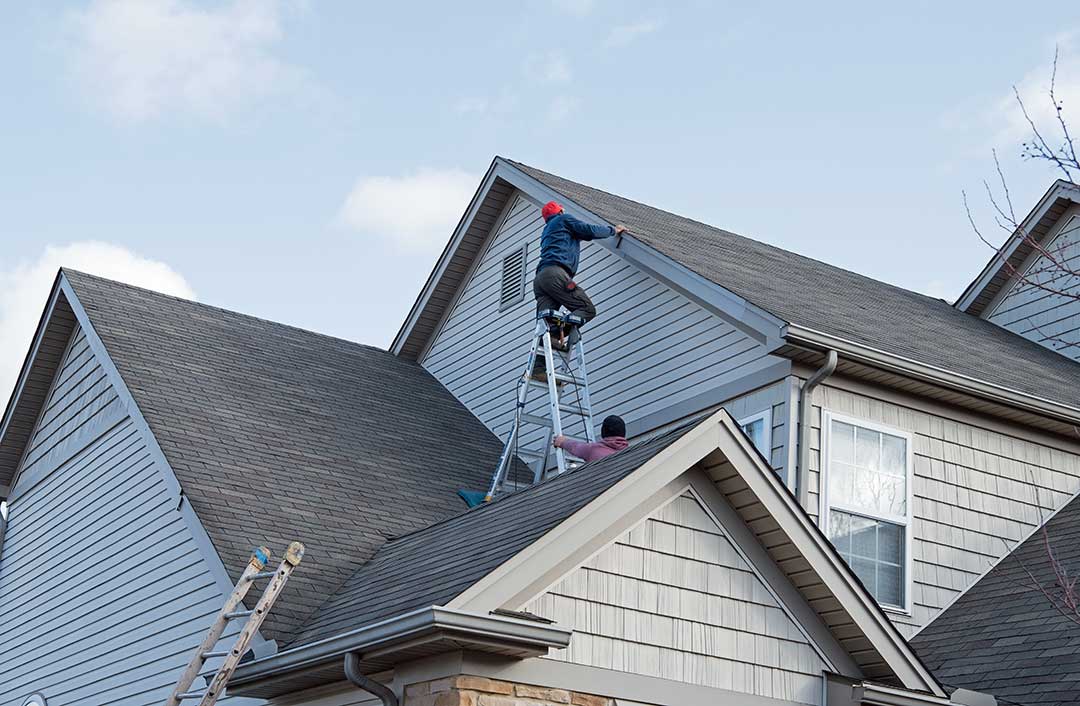
A ground-level inspection can identify many warning signs without climbing onto the roof. Look for missing shingles, lifted flashing, damaged vent covers, loose soffits, holes in fascia, and tree branches rubbing against the roof.
From inside an attic, use a flashlight to examine roof edges, corners, vent openings, and areas around chimneys or skylights. Look for daylight, disturbed insulation, droppings, nesting material, and chew marks.
Roof access requires caution. Wet shingles, frost, steep slopes, fragile roofing, and hidden structural damage create fall hazards. Attics can also contain exposed nails, poor flooring, extreme heat, contaminated droppings, and inadequate ventilation. Observations from the ground or a stable attic access area are often safer than walking on the roof.
Do not reach into a suspected nest, opening, or dark cavity. Animals may defend nesting areas, and some pests can carry diseases or parasites.
What should happen after an entry point is found?
The opening should not be sealed immediately if an animal may still be inside. Sealing a live animal into the roof or attic can lead to odor, damage, and animal suffering. It can also cause an animal to chew a new route into the living space.
The appropriate sequence generally includes:
- Identifying the species or likely pest
- Determining whether young animals are present
- Confirming how the pest is entering and leaving
- Using a lawful, humane removal method when necessary
- Repairing the damaged roofing, trim, vent, or flashing
- Replacing contaminated insulation or nesting material when needed
- Cleaning droppings with appropriate protective measures
- Monitoring the area for renewed activity
Wildlife rules and public-health considerations can vary by species and circumstance. Bats, birds, and other wildlife may receive different protections than common household rodents. Chemical repellents or poison should not be used casually, especially in enclosed roof spaces where dead animals may remain inaccessible.
How can roof-related pest problems be reduced?
Prevention begins with keeping the roof envelope intact. Regularly inspect roof edges, vents, flashing, chimneys, and attic ventilation openings, particularly after strong wind, heavy snow, ice buildup, or nearby tree damage.
Helpful maintenance includes:
- Trimming branches that touch or hang directly over the roof
- Replacing damaged vent screens and covers
- Repairing loose soffits and fascia
- Keeping gutters and downspouts clear so moisture does not damage roof edges
- Sealing gaps around nonmoving exterior penetrations
- Replacing rotted wood before it becomes easy to chew
- Storing attic items in closed containers
- Keeping food, birdseed, and pet food away from attic and garage access points
- Checking for new droppings or sounds after repairs
For homes in the region, late summer and early fall can be useful times to inspect exterior openings before colder weather drives animals toward warm shelter. Spring inspections may reveal damage caused by winter snow, ice, wind, and moisture.
A roof that keeps out water does not always keep out wildlife. Effective protection depends on the condition of the entire roof edge, ventilation system, exterior trim, and the connections between the roof and walls.
