
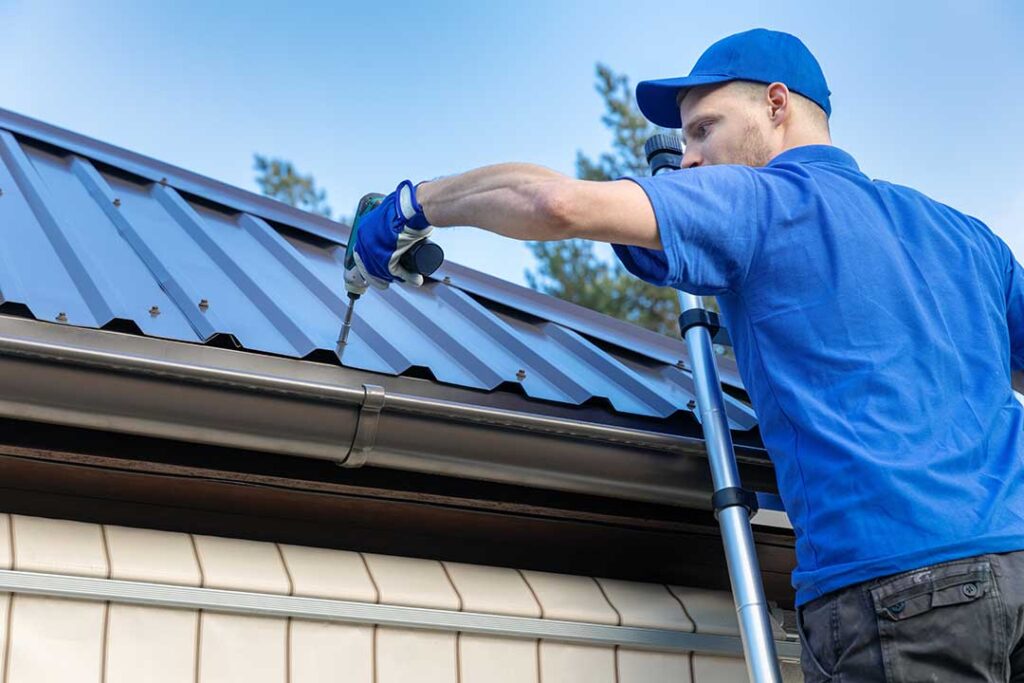
What Happens During a Typical Roofing Project in Voorheesville, NY?
A roofing project in Voorheesville usually involves several key steps, from preparation to final inspection. Local homeowners often wonder how long these projects last, what disruptions might occur, and how weather or regulations may affect the process. Most single-family homes in the community follow a similar pattern, adjusted for architectural style and season.
The basic phases include:
- Planning and inspection
- Material procurement and site prep
- Old roof removal (if needed)
- Roof deck inspection and repairs
- Installation of underlayment and flashing
- Shingle or roofing material installation
- Cleanup and debris removal
- Final inspection
How Are Projects Planned and Prepared?
Project planning starts with a careful assessment. Local roofs vary, with many steep pitch designs common due to seasonal snow loads. Roofers or homeowners must evaluate the age, type, and existing issues, such as leaks or missing shingles, before scheduling any work.
Practical factors area residents consider include:
- Seasonal timing: Late spring through early fall is preferred to avoid ice, wind, and heavy rain.
- Waste disposal: Container placement and local refuse rules must be followed.
- Safety and access: Keeping children or pets indoors and clearing cars or outdoor items.
Homeowners should verify that any alterations meet town codes and, if applicable, neighborhood association rules. Permits are sometimes required, especially for major replacements.
Should the Old Roof Always Be Removed?
Local codes may allow shingle overlays, but full removal is preferable in many cases. Removing the existing roof:
- Reveals potential hidden damage in the wood deck—a common issue after harsh Northeast winters.
- Ensures new materials perform as intended by preventing excess weight or improper adhesion.
A full tear-off can be noisy and may temporarily expose the attic, so sensitive items in storage should be protected.
What Is Inspected Once the Roof Is Exposed?
Once old materials are stripped away, the roof deck is checked for rot, mold, or damage. In Voorheesville’s climate, ice damming and seasonal moisture sometimes cause plywood delamination or soft spots. Any found issues are repaired before proceeding. Overlooking this inspection could mean a new roof fails prematurely or requires costly fixes soon after installation.
Why Are Underlayment, Ice Barriers, and Flashing Important?
Underlayment and flashing prevent water and wind damage, which are significant concerns in upstate New York. Ice barrier membranes are especially important in the community due to freeze-thaw cycles and the risk of ice dams at eaves.
Key components:
- Ice & water shield: Installed at the roof’s edges and valleys to prevent leaks from ice buildup.
- Synthetic underlayment: Provides an extra waterproof layer beneath shingles.
- Flashing: Metal pieces at intersections, chimneys, vents, and valleys to direct water away from vulnerable seams.
Skipping or improperly installing these elements is a common reason for future leaks.
How Are Roofing Materials Installed?
Most area homes use asphalt shingles due to their durability and cost-effectiveness, but some older homes or barns use metal. The process involves:
- Laying shingles from the lower edge up, overlapping to shed water.
- Securing each piece with fasteners as required by manufacturer specs and local norms.
- Adding ridge cap shingles and ventilation features as needed.
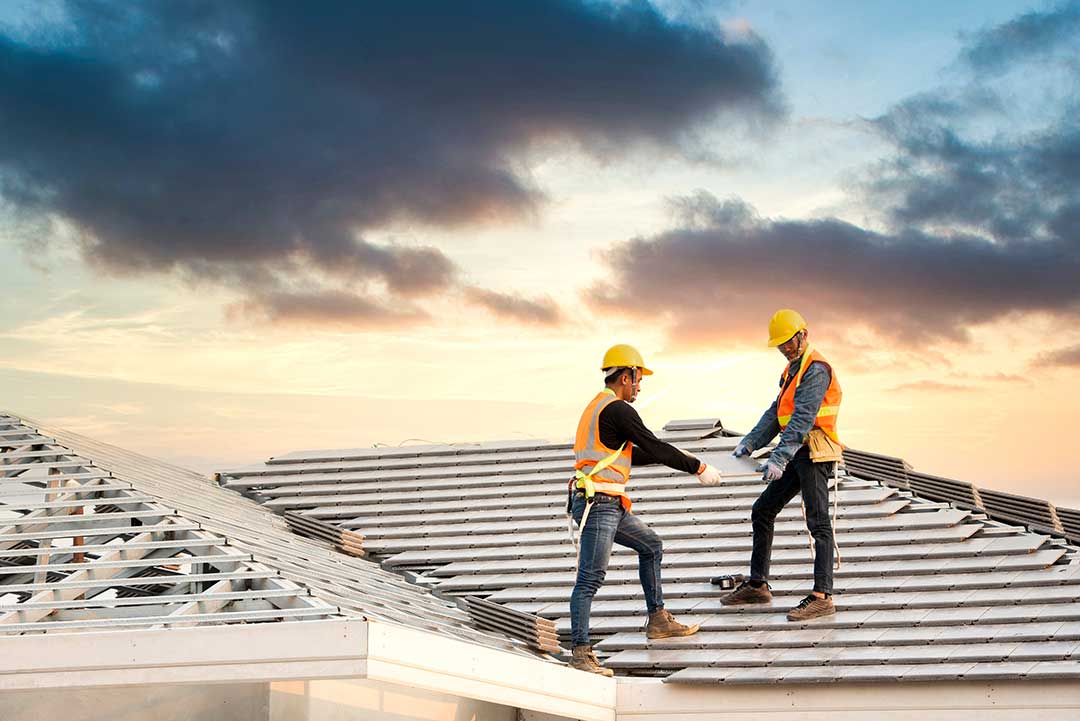
Installers must follow patterns and avoid ‘stair-stepping’ for both function and curb appeal, which matters in the city’s established neighborhoods.
How Long Does a Roof Replacement Typically Take?
For an average single-family home, the full process often takes 1-4 days if weather holds. More complex roofs, underlying repairs, or surprise problems (like rotted sheathing) may stretch the timeline. Local households sometimes plan projects to avoid major community events or during school breaks to minimize disruption.
What Should Residents Expect During Cleanup and Disposal?
Construction debris must be carefully managed. Most area teams use dumpsters placed in the driveway, but local street parking and permit rules can affect placement. Stray nails, old shingles, and sharp materials are magnetically swept and removed. Residents should check driveway and lawn areas for remnants after completion, particularly after windy days or autumn leaf fall, which can hide materials.
Who Handles Final Inspections and Why?
Final checks are done by the crew and typically, if required by city rules, a municipal inspector. Inspectors look for:
- Secure, correctly placed materials
- Proper flashing and sealing around openings
- Debris-free gutters, pipes, and yard
In community settings, a clean site and a water-tight roof are essential for both homeowner peace of mind and neighborhood standards.
What Issues Commonly Arise During Local Roofing Projects?
Common surprises include:
- Hidden deck rot from ice dams or attic moisture
- Unanticipated code upgrades required by town rules (like better ventilation or secondary barriers)
- Weather delays, especially late fall or early spring
- Misunderstanding over warranties or who is responsible for disposal
Residents often ask about sudden noise, dust, or adjacent property access; clear communication and planning help minimize friction.
Are There Local Factors That Affect Roofing in Voorheesville?
Yes—Voorheesville’s mix of older and newer homes, combined with snow, rain, and occasional windstorms, shapes several best practices:
- Attic ventilation is critical to prevent ice buildup and prolong shingle life.
- Gutter performance and roof pitch influence long-term maintenance.
- Roofing materials and techniques must balance classic, historic looks with modern performance.
- Scheduling can be weather-dependent far more than in southern climates.
Overall, understanding these steps helps area homeowners prepare confidently, maintain property value, and minimize stress during a substantial but manageable home improvement task.
