
What Is a Roof Cricket?
A roof cricket is a small, peaked structure that sits on the high side of a roof where a chimney or other large penetration interrupts the roof slope. It looks like a miniature roof built onto the main one and is designed to divert water around the obstacle. In short, it's a water management feature that helps protect certain areas of the roof from ponding and leaks.
In neighborhoods like Voorheesville, where snowfall and seasonal rain are common, these features become especially important for maintaining the longevity of residential roofs.
Why Do Some Roofs Need a Cricket?
Crickets are most commonly found behind chimneys or wide vents. These installations disrupt the natural downward flow of rainwater or melting snow, which can cause water to pool, linger, or seep into seams and crevices. Without a cricket, water is more likely to collect behind the structure, eventually causing leaks, rot, or even mold growth in underlying layers.
For homes with steeper pitches or large chimneys, crickets are often considered a best practice—even when not expressly required by building codes.
How Does a Roof Cricket Work?
A cricket is installed on the uphill side of a square or rectangular projection, forming a ridge that splits roof runoff. When rain or melted snow travels down the roof, the cricket channels water to either side of the obstacle, sending it back onto the main slope where it can safely continue toward gutters or eaves.
Designs vary in height, width, and angle, but all crickets serve this essential purpose—to keep water moving and off areas where it might cause harm.
Are Roof Crickets Required in Voorheesville, NY?
Local codes regarding roof crickets generally align with broader New York State regulations. For chimneys wider than 30 inches (measured perpendicular to the roof slope), a cricket or saddle is typically required. These standards reflect both the increased risk of water buildup and the seasonal conditions experienced by area households, especially during winter.
While enforcement may vary depending on local building inspectors, the need for effective water diversion is widely recognized among those maintaining older homes or carrying out renovations.
What Problems Can Arise Without a Roof Cricket?
The absence of a cricket can expose homes to:
- Persistent leaks at the base of chimneys or roof penetrations
- Rotting of wood sheathing and framing below the roofing surface
- Ice dams around chimneys (especially during Voorheesville's winters)
- Staining, mildew, or deteriorating interior ceilings and walls
In the local context, freeze-thaw cycles are especially hard on unprotected roof sections. Water trapped behind a chimney may freeze overnight, expand, crack shingles or flashing, and then repeat the process across multiple seasons.
What Materials Are Used for Crickets?
Most crickets are framed out of lumber and covered with roofing materials to match the rest of the home—typically shingles for sloped roofs or metal for low-slope applications. The side facing the chimney is generally finished with metal flashing, which overlaps the chimney and the cricket to form a watertight seal.
The exact construction can vary based on roof pitch, chimney width, and existing materials, but the core goal remains the same: encourage clean water runoff and prevent infiltration.
Can a Roof Cricket Be Retrofitted to Older Homes?
Yes, adding a cricket to an existing roof—especially during chimney repairs, reroofing projects, or leak investigations—is common in Voorheesville’s older homes. Careful integration with existing flashing, roofing, and chimney masonry is vital to ensure long-term performance.
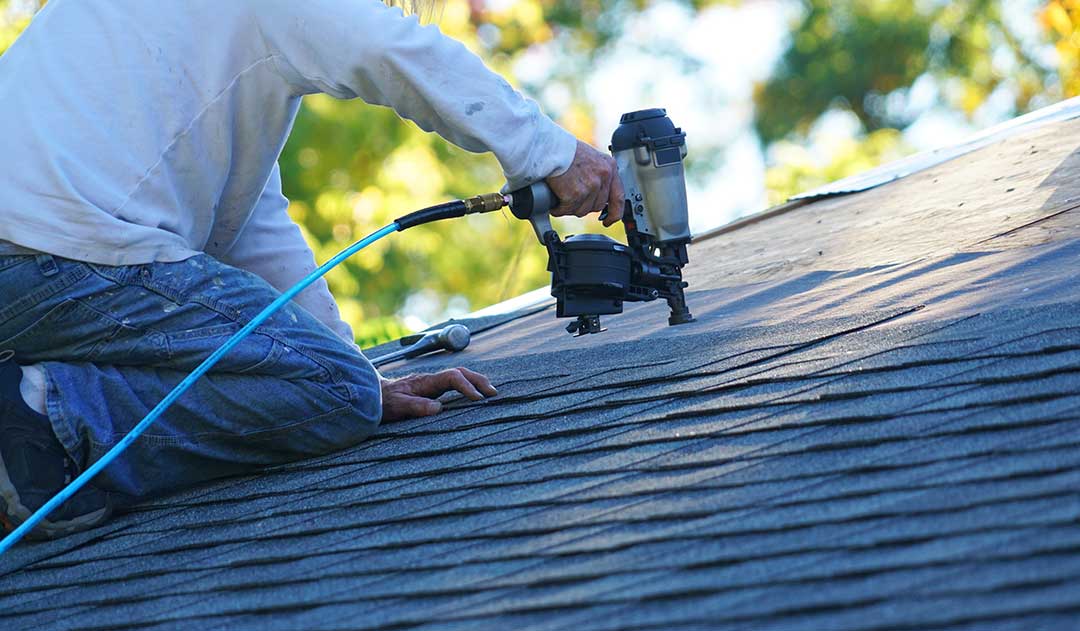
Because retrofitting may involve temporarily removing adjacent shingles or flashing, it’s usually best performed when other roof work is already underway.
Are There Common Misconceptions About Roof Crickets?
Many homeowners assume that any leak around the chimney or vent is a result of poor flashing or damaged shingles. While these are frequent culprits, the lack of a cricket—or a poorly designed one—can be equally to blame, especially on wider chimneys.
Another misconception is that crickets are only for homes in very rainy or snowy climates. In reality, any place where water can collect behind roof structures, regardless of annual precipitation, can benefit from this solution.
What Should Area Residents Look for When Assessing Their Roofs?
Signs that a roof cricket may be needed—or that an existing one requires attention—can include:
- Water stains in attic spaces near chimney penetrations
- Noticeable water pooling on the roof after rain or snow
- Ice accumulation at the uphill side of a chimney during winter
- Shingle damage, moss, or accelerated wear behind chimneys or dormers
Routine roof inspections, especially after storms or heavy snowfall, can help spot these warning signs early.
How Do Local Climate and Housing Patterns Affect Cricket Design?
Voorheesville’s mix of historic and newer homes, combined with a climate marked by significant seasonal variation, means that one-size-fits-all recommendations rarely work well. Steep roofs shed water and snow more quickly, but wide chimneys on even moderately sloped roofs still need effective crickets to prevent moisture problems.
Including features such as extra flashing or using ice and water shield membranes under shingles near crickets is common in the region. This layered defense helps homes withstand not only year-round precipitation but also freeze-thaw cycles that can stress roofing materials.
