
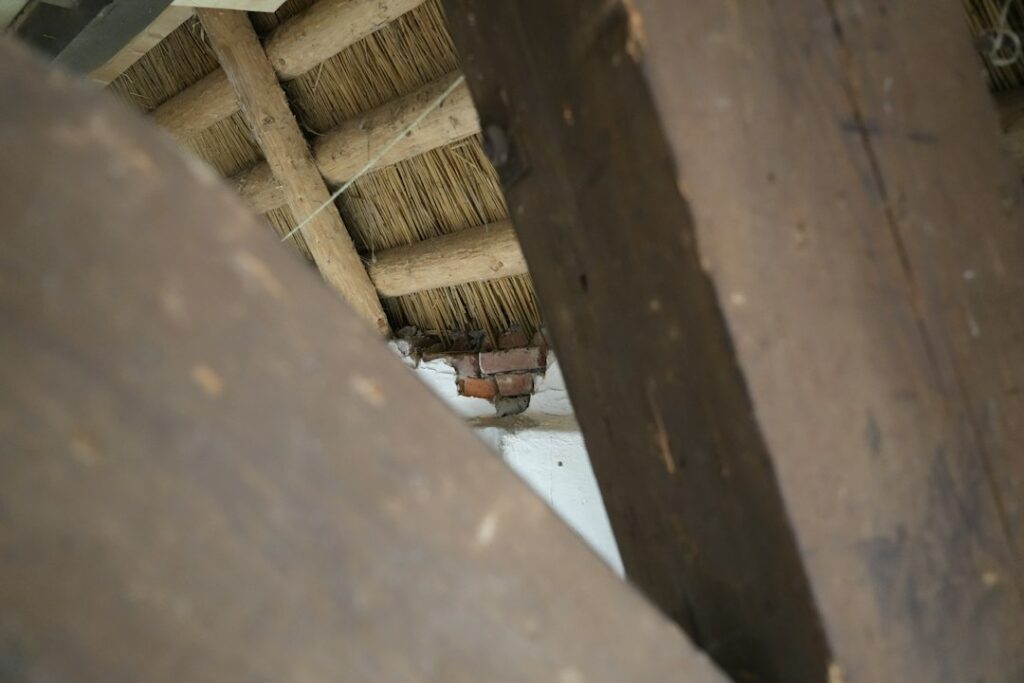
A roof leak is more than an interior nuisance. Water that enters through shingles, flashing, vents, or roof edges can move through insulation and framing, gradually weakening the materials that help support the roof, ceilings, walls, and sometimes the floors below.
In Voorheesville, NY, seasonal rain, snow, ice, wind, and repeated freeze-thaw cycles can place added stress on roofing systems. A small leak may remain hidden for weeks or months before visible damage appears indoors.
What parts of a home can a roof leak damage?
A leaking roof can affect several layers of a home, not just the ceiling below the leak. Water often travels sideways along roof sheathing, rafters, insulation, wiring, and wall framing before it becomes visible.
Commonly affected components include:
- Roof sheathing, which can soften, stain, delaminate, or develop areas of decay
- Rafters and trusses that may weaken after repeated wetting
- Attic insulation, which loses performance when saturated
- Ceiling drywall or plaster, which may sag, crack, or collapse
- Wall framing around chimneys, skylights, dormers, and roof-to-wall connections
- Exterior trim, siding, and window areas below the leak path
- Electrical components located near wet insulation or framing
The location of an interior stain does not necessarily identify the source of the leak. Water may enter several feet away and follow a sloped surface before reaching the ceiling.
How does moisture weaken roof framing?
Wood framing can tolerate normal changes in humidity, but repeated or prolonged wetting creates conditions for decay. Moisture allows wood-damaging fungi to grow, especially when the area remains dark and poorly ventilated.
Early damage may look minor: a brown stain, slightly soft wood, or a musty smell in the attic. Over time, however, deteriorated wood can lose strength. A rafter may no longer support roof loads as effectively, and weakened sheathing may become more vulnerable to movement from wind or snow.
A roof leak does not automatically mean that a home has serious structural damage. The risk depends on how long the materials have been wet, how much water entered, whether the area can dry, and whether important framing connections are involved.
Can a roof leak make ceilings or walls collapse?
Yes, although collapse is not the usual result of every leak. Ceiling materials can become heavy when saturated, particularly if insulation above the ceiling absorbs water. Drywall may bow or sag, and older plaster can separate from its supporting lath.
Warning signs include:
- A ceiling that appears swollen, bowed, or sagging
- Cracks that grow after rain or snowmelt
- Bubbling paint or peeling ceiling finishes
- Doors or windows that begin sticking near a wet wall
- A musty odor that persists after the surface appears dry
- Visible water around light fixtures, outlets, or ceiling fans
A bulging ceiling should not be pressed or punctured casually. Water may be trapped above it, and electrical components may be nearby. If the ceiling is visibly sagging, the area should be kept clear until the condition can be evaluated safely.
Why are attic leaks easy to overlook?
Many roof leaks begin in the attic and remain hidden from the living space. Insulation can absorb water without immediately producing a ceiling stain. Small leaks may also dry between storms, leaving only discoloration or a faint odor.
Inspecting an attic can reveal:
- Darkened or water-marked roof sheathing
- Damp insulation or compressed insulation
- Rust around nails, fasteners, or metal connectors
- Mold-like surface growth
- Wet rafters or trusses
- Daylight visible through roof gaps
- Water trails near vents, chimneys, valleys, or roof edges

Attic inspections require caution. Stepping between ceiling joists can damage the ceiling below, and wet insulation may conceal wiring or unstable surfaces. A flashlight and visual inspection from a safe position are preferable to walking across unknown areas.
How can winter weather increase roof-leak damage?
Cold-weather conditions can turn a minor opening into a recurring problem. Water that enters a roof assembly may freeze, expand, and place pressure on seams, fasteners, and surrounding materials. Later thawing allows the water to travel farther into the structure.
Snow and ice can also conceal damaged shingles or flashing. A roof may appear intact from the ground while water enters around a penetration, valley, sidewall, or roof edge.
Repeated wetting and drying can be especially hard on wood. The material expands and contracts as moisture changes, which can gradually loosen connections and open small gaps around roofing components.
Can a roof leak damage insulation and indoor air quality?
Yes. Wet insulation becomes less effective and may remain damp long enough to support mold growth. If the insulation is compressed or saturated, the home can lose heat more quickly during winter and gain heat more easily during summer.
Moisture can also affect indoor air quality by creating persistent odors and allowing mold or mildew to develop on nearby wood, drywall, dust, and other materials. Mold growth is not always visible; it may occur above ceilings, behind walls, or under insulation.
Drying the area is essential, but covering wet materials too soon can trap moisture. Materials that remain damp may continue deteriorating even after the original roof opening has been patched.
What signs suggest a leak has become a structural concern?
A leak deserves prompt attention when it is accompanied by changes in the shape or stability of the building. More serious warning signs include:
- A sagging roof line visible from outside
- Soft, crumbly, or deeply discolored roof sheathing
- Rafters or trusses with splitting, severe staining, or decay
- Ceiling sections that bow noticeably
- Walls that bulge, shift, or develop expanding cracks
- Floors that become uneven near areas of long-term water intrusion
- Repeated leaks in the same location after earlier repairs
These conditions may indicate that water has affected more than the roof covering. Structural evaluation may be necessary when load-bearing framing appears damaged, when the roof has visibly changed shape, or when a ceiling or wall is unstable.
What should residents do after discovering a leak?
First, reduce immediate risks. Place containers under active drips, move furniture away from the affected area, and keep people away from sagging ceilings. If water is near electrical fixtures, switches, or outlets, avoid touching the area and use the electrical panel only if it can be reached safely without entering a wet location.
Document the visible damage with photographs and note when the leak occurred. Check the attic only if it can be done safely. Wet insulation, drywall, and wood should be allowed to dry properly before being enclosed again.
A temporary waterproof covering may limit additional damage during bad weather, but roof surfaces can be slippery, and winter conditions add fall hazards. Climbing onto a wet, icy, or steep roof is unsafe.
A roof leak is easiest to manage before it affects framing and interior finishes. Regular visual checks from the ground, attic awareness, and prompt attention to stains or musty odors can help identify water intrusion before it becomes a larger structural problem.
